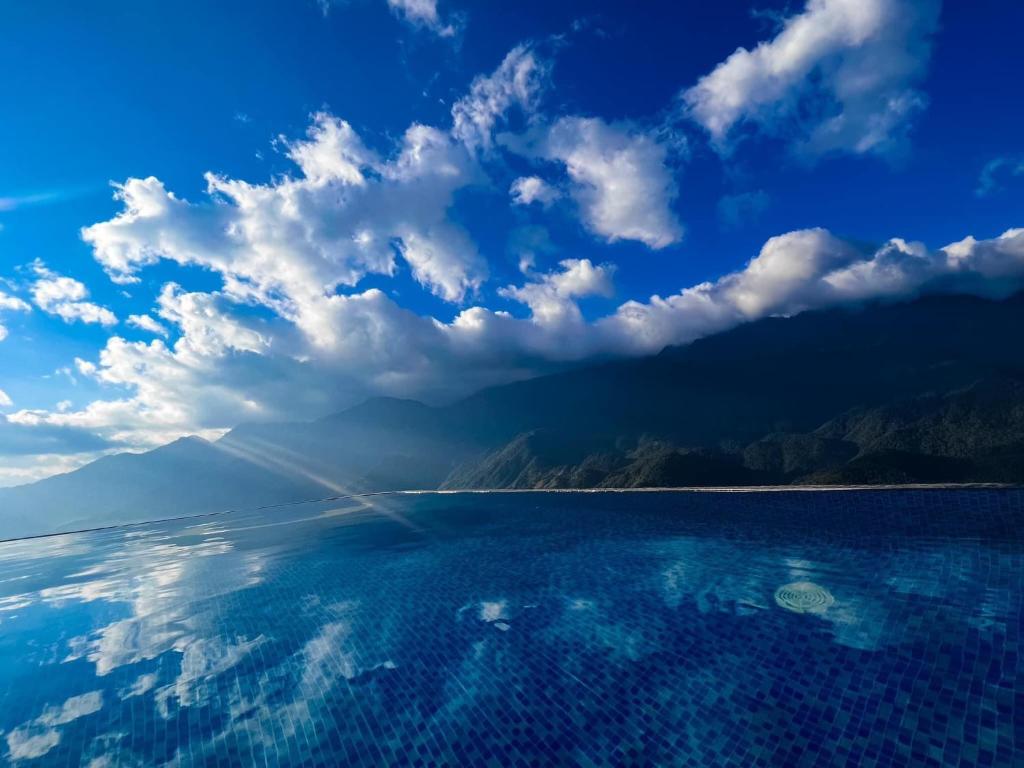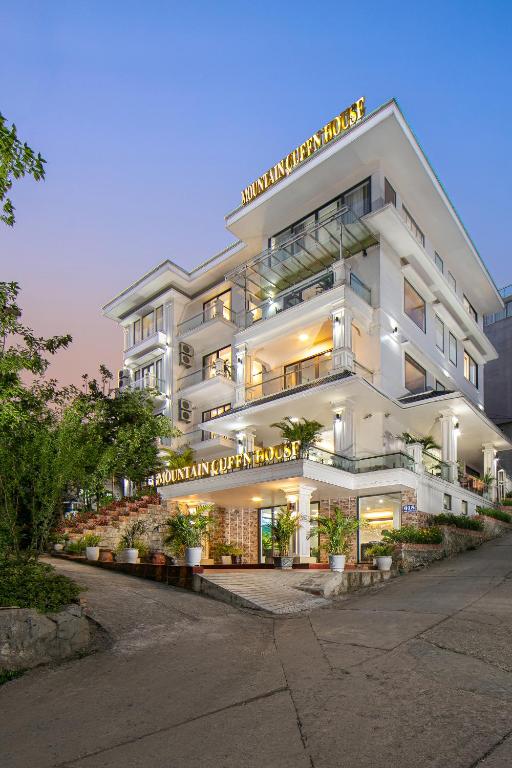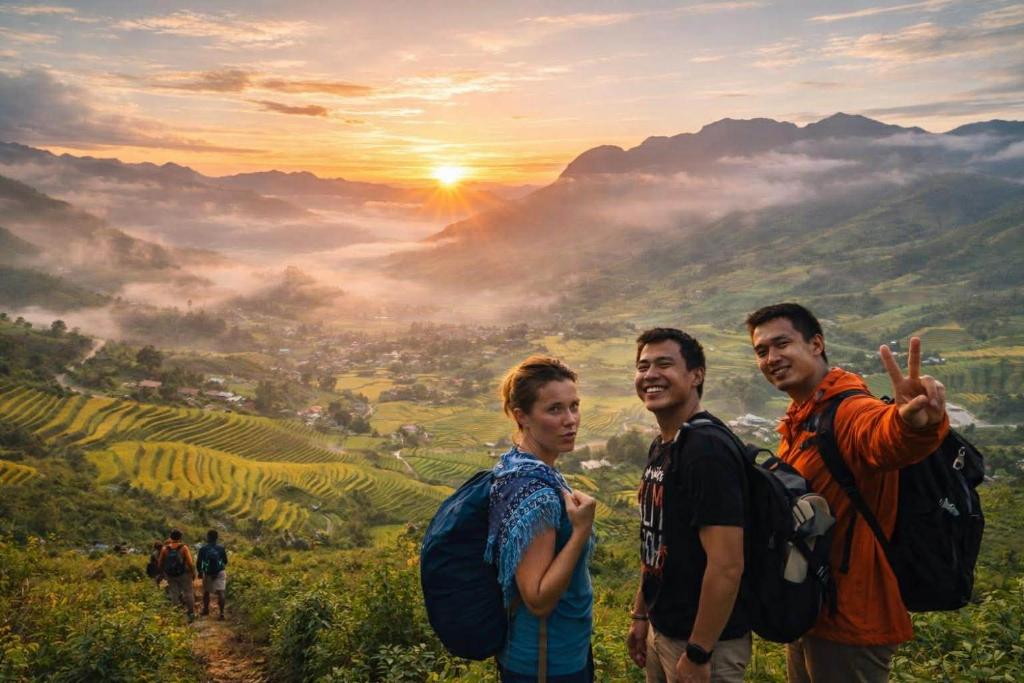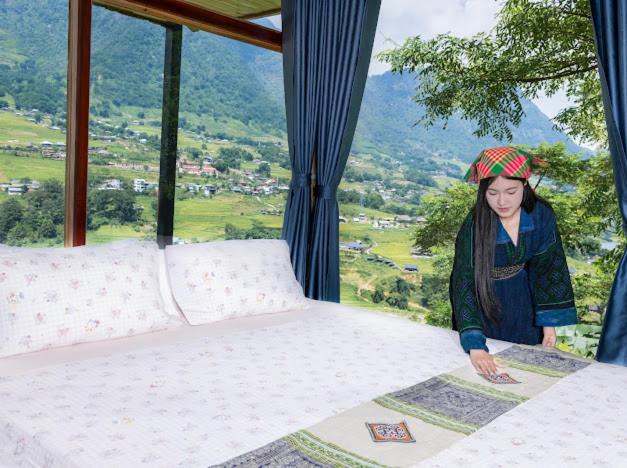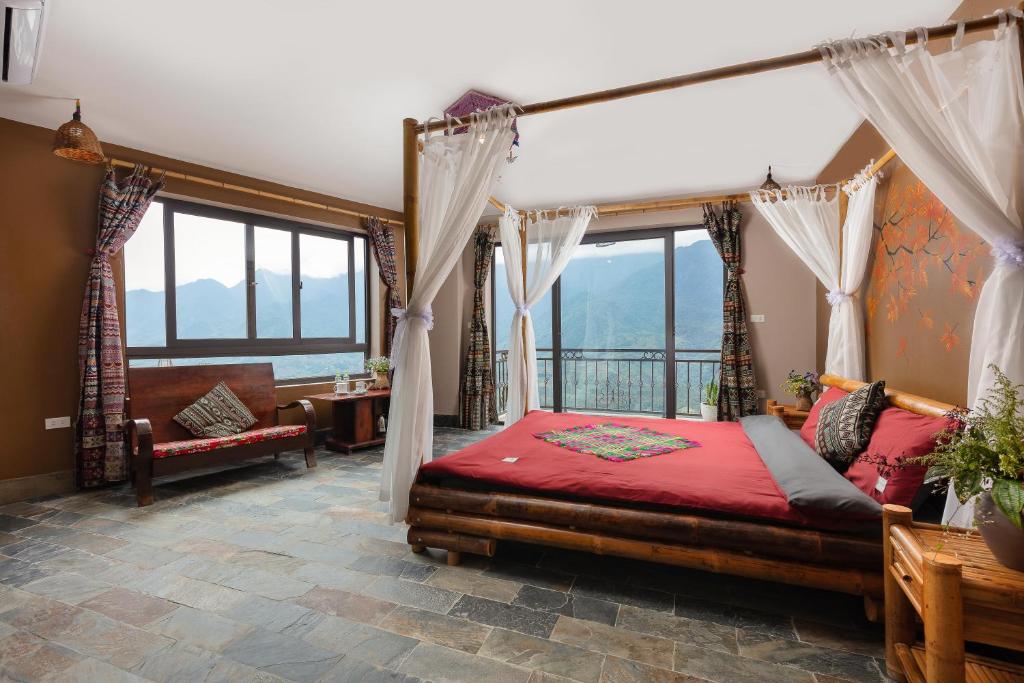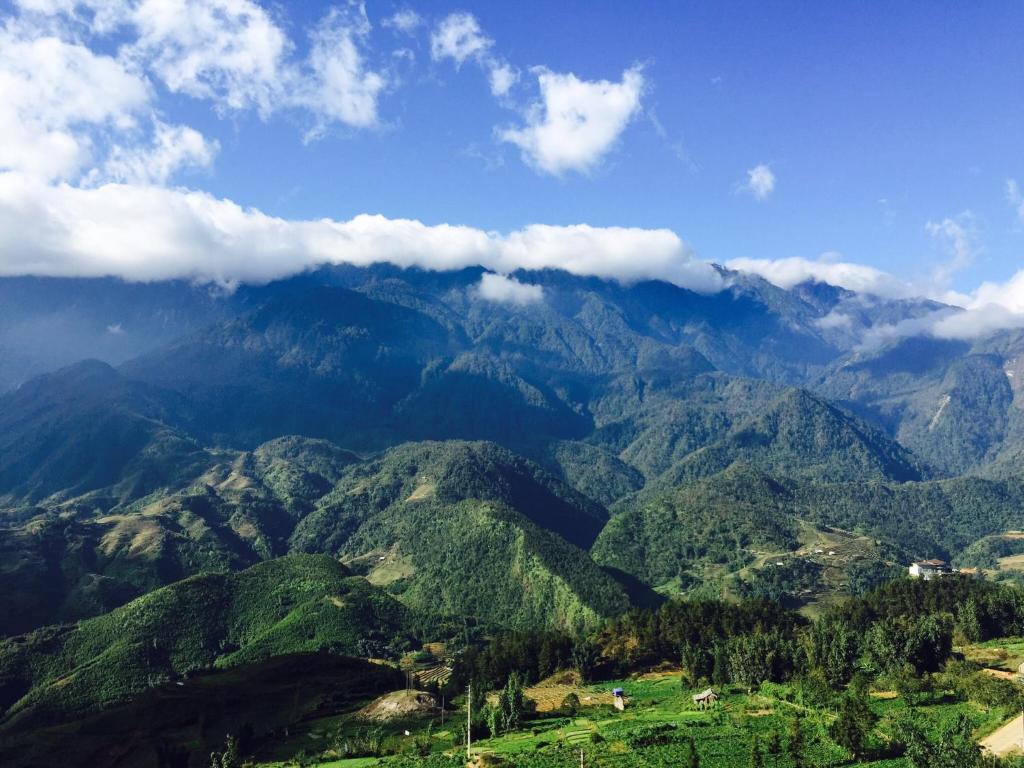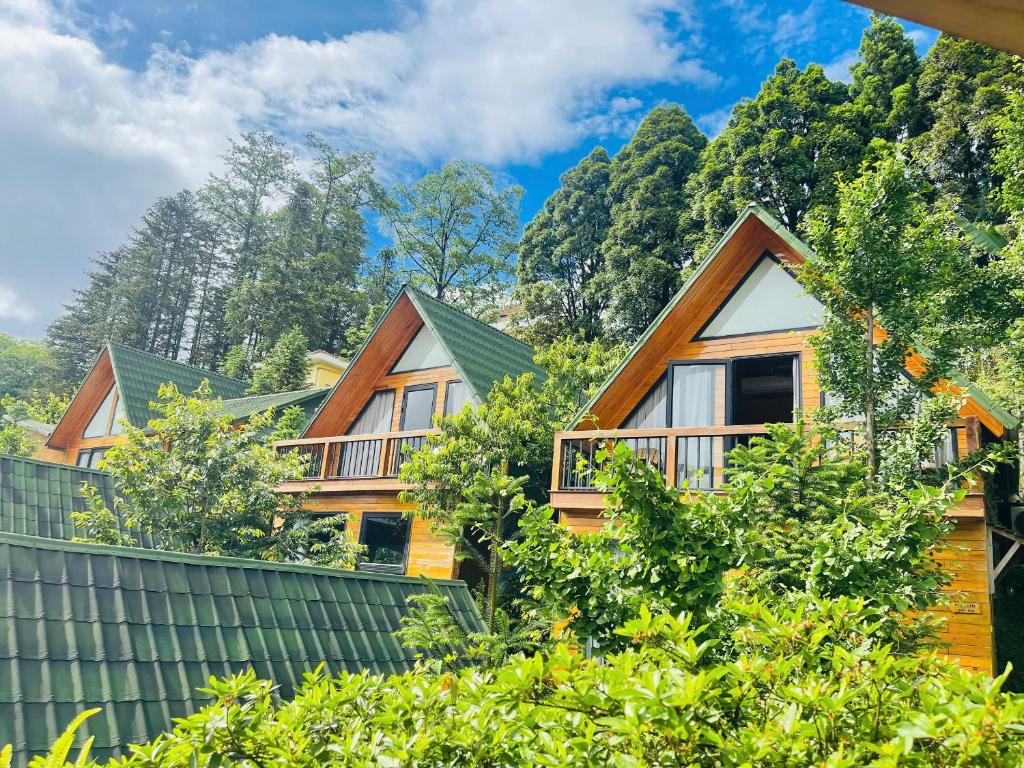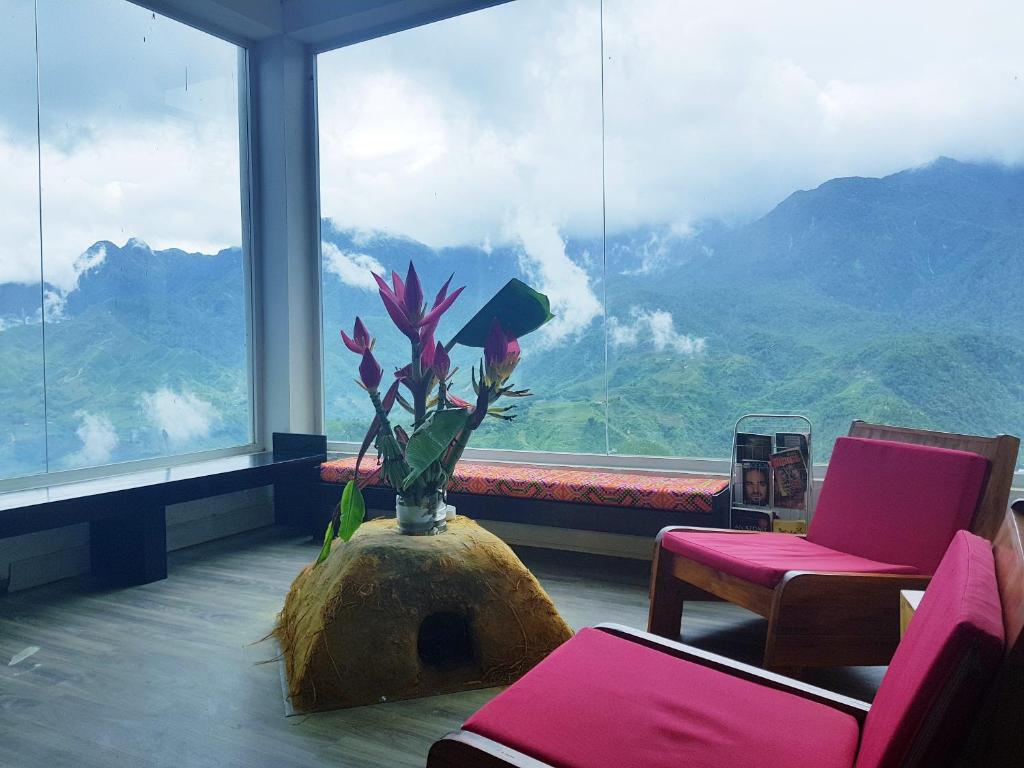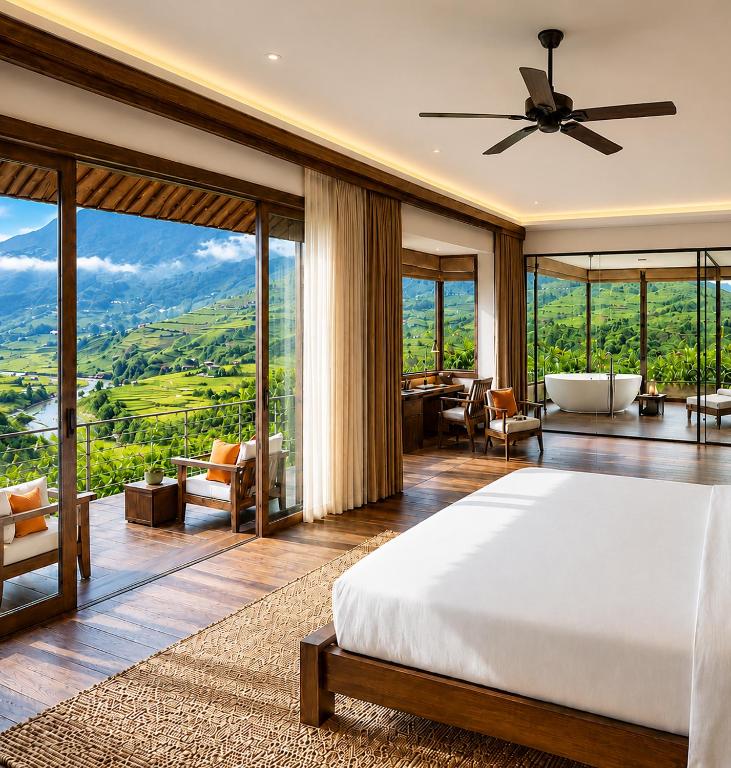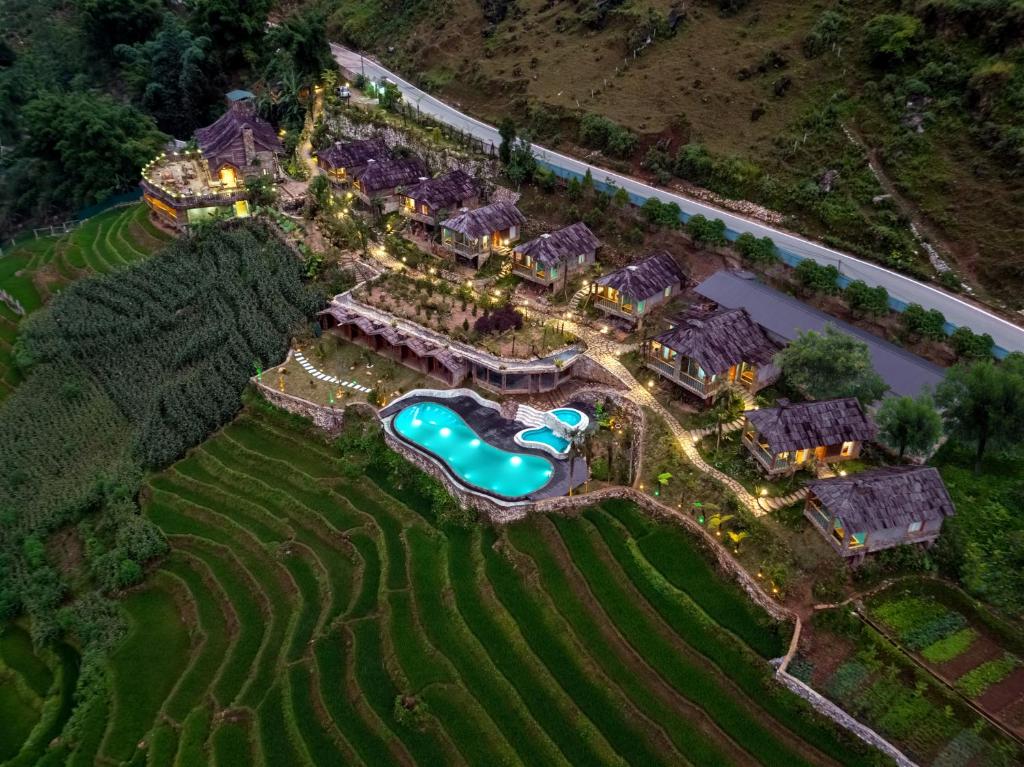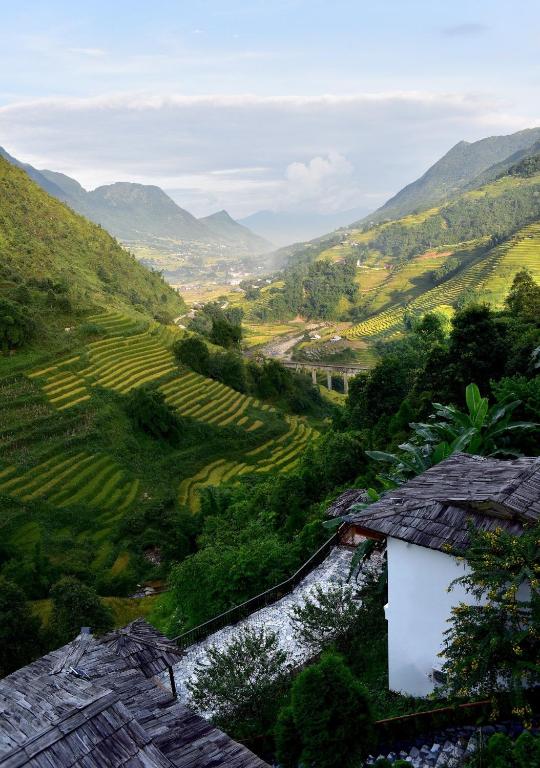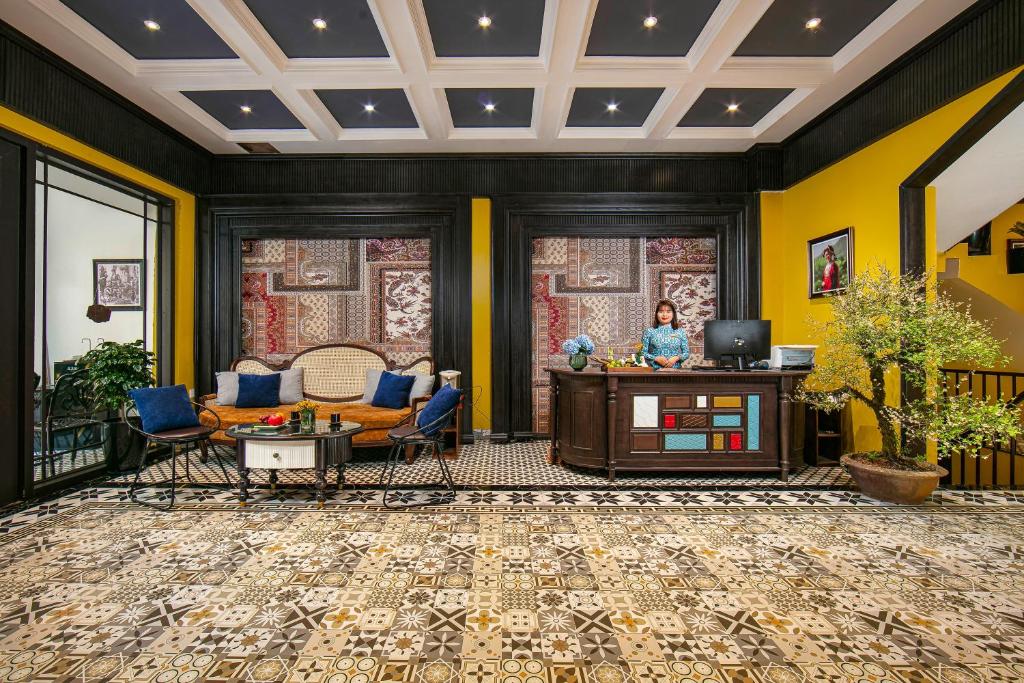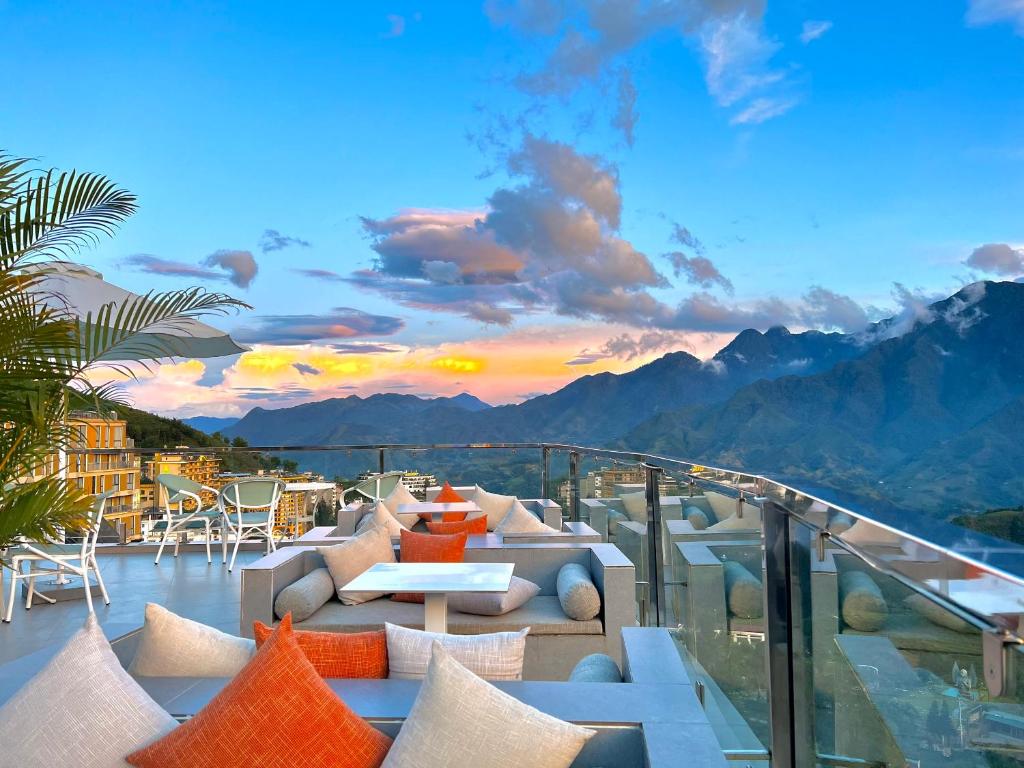
Sapa Relax Hotel & Spa
Sa Pa Town · 0.5 km from the centre
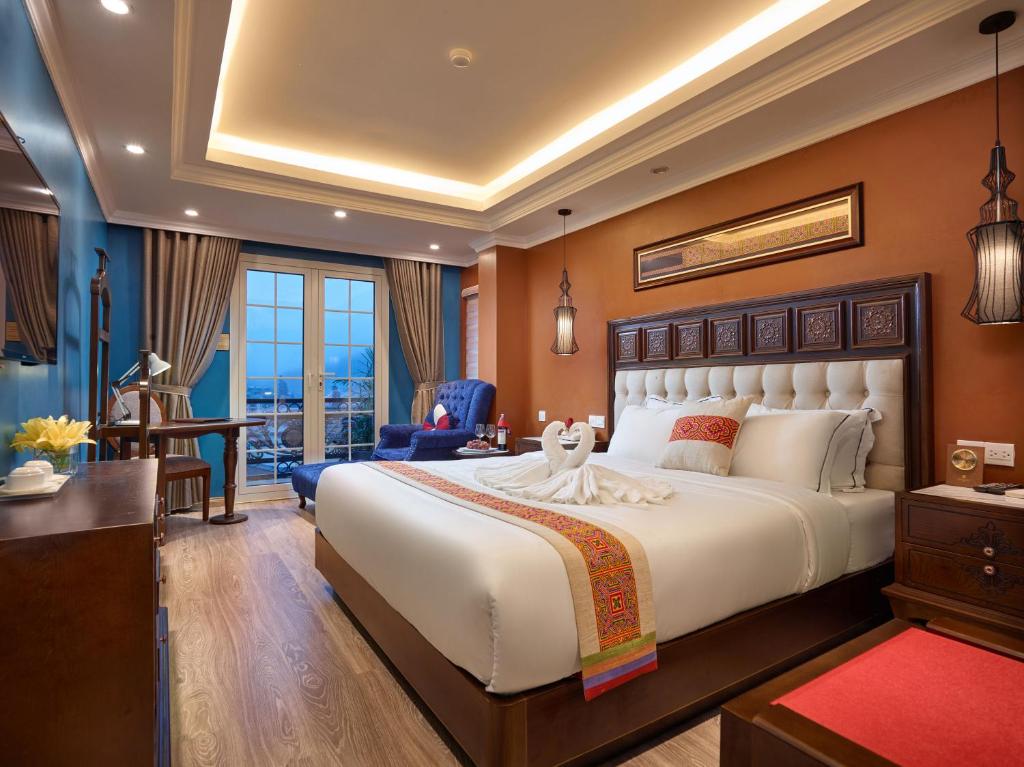
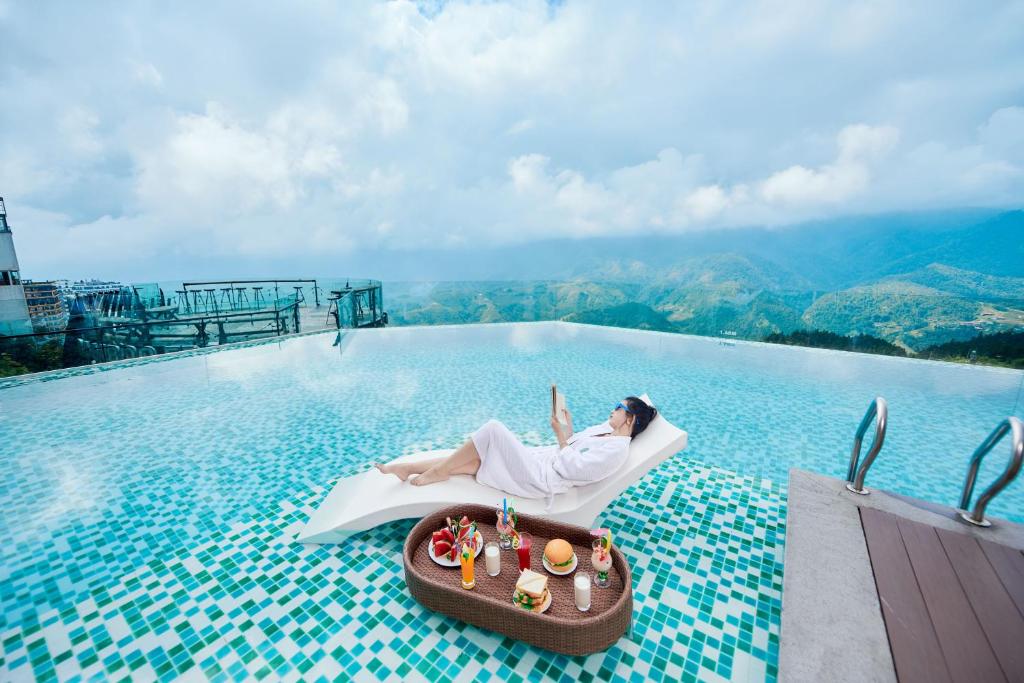
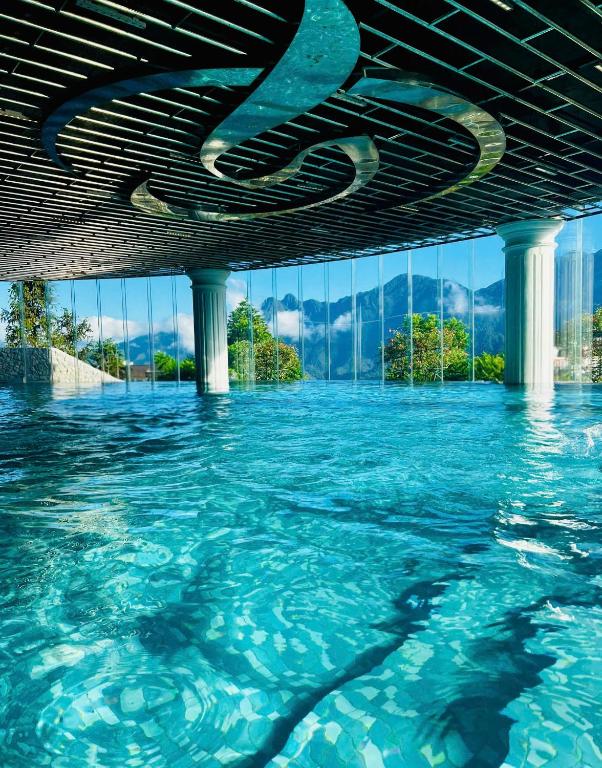
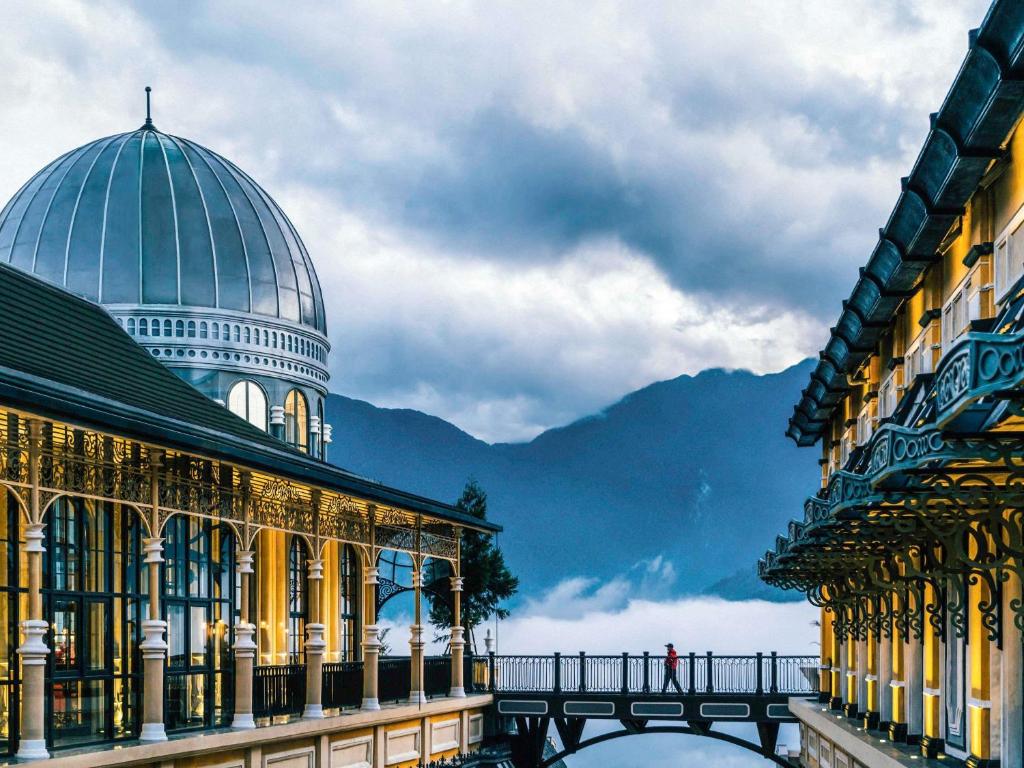
A three-star hotel in Sa Pa Town with a spa, family rooms, mountain-view spaces, a restaurant and free private parking close to temples and the lake.

387 places to stay in Sa Pa: hotels, homestays and lodges, area by area
387 accommodations · 184 hotels · 80 homestays · 28 lodges
387 accommodations
Sa Pa Town · 0.5 km from the centre
A three-star hotel in Sa Pa Town with a spa, family rooms, mountain-view spaces, a restaurant and free private parking close to temples and the lake.
Sa Pa Town · 0.5 km from the centre
A four-star hotel in Sa Pa town with a spa and sauna, family rooms for up to six, varied breakfast choices and a restaurant serving American and Vietnamese dishes.
Sa Pa Town · 0.4 km from the centre
Bamboo Sapa Hotel is a five-star hotel in Sa Pa town with mountain-view rooms, multiple pools, a spa and Asian dining, close to the bus station and local sights.
Sa Pa Town · 0.7 km from the centre
A five-star hotel in Sa Pa town with mountain-view balconies, a heated indoor pool, two restaurants and a spa offering Red Dao herbal bathing.
Sa Pa Town · 0.4 km from the centre
A couture-inspired five-star hotel in Sa Pa Town, with a heated indoor pool, spa facilities, king and twin rooms, several dining venues and funicular access.
Sa Pa Town · 0.6 km from the centre
Pistachio Hotel Sapa is a central Sa Pa hotel with mountain-view rooms, rooftop and indoor pools, spa facilities, varied dining and a generous buffet breakfast.
Sa Pa Town · 1.1 km from the centre
A five-star hotel on Muong Hoa Street in Sa Pa, with valley-view rooms, a spa and wellness centre, indoor pool, Vietnamese restaurant and buffet breakfast.
Sa Pa Town · In the centre
A 4-star hotel in Sa Pa with family rooms, lake and mountain views, varied breakfast choices, an on-site restaurant and free private parking.
Hau Thao · 6.3 km from the centre
Surelee Homestay is a Hau Thao, Sa Pa village stay with Mường Hoa valley views, a restaurant offering varied dietary choices, and walking tours and hikes.
Ta Van · 6.8 km from the centre
Hmong house Sapa is a Ta Van homestay with rice-field and mountain views, family-style dining, local tours, a garden terrace and free private parking.
Sa Pa Town · 0.5 km from the centre
A central Sa Pa homestay with family rooms, balcony and mountain-view options, an on-site restaurant, varied breakfast choices and access to guided outdoor activities.
Sa Pa Town · 0.4 km from the centre
Sapa Hills Hotel is a central Sa Pa hotel with mountain-view rooms, a restaurant serving Asian and European cuisine, varied breakfast choices and spa facilities.
Sa Pa Town · In the centre
A lodge in Sa Pa with mountain-view rooms, family villas, a restaurant and a garden terrace, within walking distance of Sa Pa Lake and central sights.
Sa Pa Town · 0.9 km from the centre
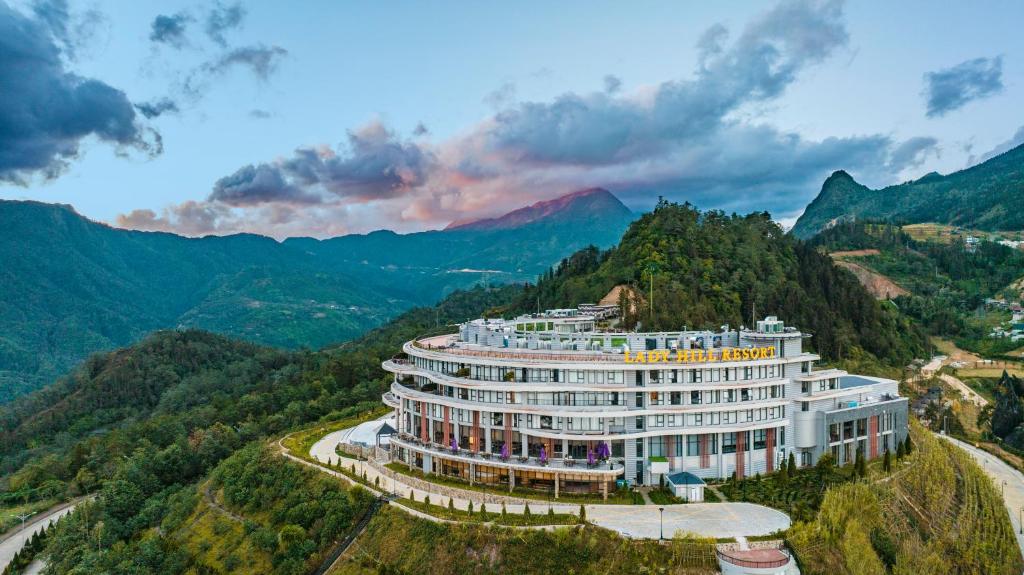
Lady Hill Sapa Resort is a five-star hotel in Sa Pa town with mountain-view rooms, an infinity pool, wellness facilities, family accommodation and varied dining.
Sa Pa Town · 0.5 km from the centre
Phuong Nam Hotel is a 2-star hotel in Sa Pa town, with balcony views of the mountains and Mường Hoa Valley, buffet breakfast, family rooms and a tour desk.
Ta Van · 5.9 km from the centre
En Hotel Sapa is a 3-star hotel in Ta Van, Sa Pa, with mountain-view rooms, a rooftop pool, family accommodation, on-site dining and access to valley trails.
Lao Chai · 4.5 km from the centre
A five-star lodge in Lao Chai, Sa Pa, with valley-facing rooms, an infinity pool, family bungalows, varied restaurant menus and access to cycling, hiking and village walks.
Sa Pa Town · 0.7 km from the centre
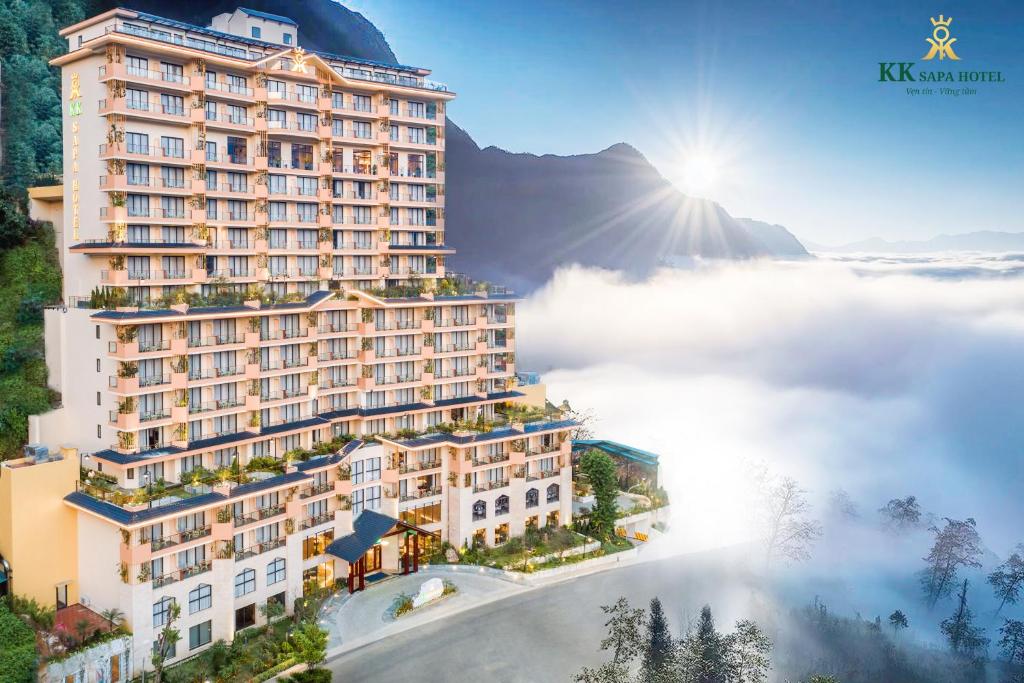
KK Sapa Hotel is a five-star hotel on Mường Hoa street in Sa Pa Town, with mountain-view rooms, an indoor pool, a spa and varied dining.
Lao Chai · 3.4 km from the centre
A Lao Chai lodge with garden and mountain views, family rooms, an on-site restaurant, valley activities and free private parking, 3.4 km from Sa Pa town.
Sa Pa Town · 0.4 km from the centre
A four-star hotel in Sa Pa Town opposite Sun Plaza, with a spa, sauna, hot tub and room options with balconies and mountain or city views.
Sapa is a hill town at about 1,600 m in Lào Cai province, northern Vietnam, 250 km north-west of Hanoi and 35 km from Lào Cai city on the Chinese border. It sits under Fansipan (3,143 m), the highest peak in Indochina, above the terraced Mường Hoa valley, and it is the base for Vietnam's best-known trekking, for the Fansipan cable car and for the Hmong, Dao, Tày and Giáy villages around it. In 2025 the area received between 4.3 and 5 million visitors, more than any other year.
This site lists 387 places to stay in Sapa and its villages, from hostels and family homestays to five-star hotels and mountain lodges, with the same information for each one: rooms, facilities, location, guest scores and a direct link to check prices and availability. The pages below answer the questions travellers actually ask: which area to choose, how to get there, when to go and what it costs.
Stay in Sapa town if you want restaurants, cafés, ATMs, trekking agencies and the bus to Hanoi within walking distance, and a heated room with reliable wi-fi. Most of the 387 properties on this site are in town, around the stone church square, Sapa lake, Cầu Mây street and Fansipan street; the ones on the Hàm Rồng side have the best valley views. The trade-off is noise at weekends near the square, construction sites and fog that can hide the mountains for days.
Stay in the Mường Hoa valley – Lao Chải, Tả Van, Hầu Thào, Sử Pán, Ý Linh Hồ – if terraces outside the window matter more than a hot shower with guaranteed pressure. Tả Van, 10–12 km south-east of town, is the main overnight base, with Giáy and Hmong homestays, bungalows and a few boutique lodges; the South China Morning Post named it one of Asia's most beautiful villages in 2025. Cát Cát, 3 km from town, is the most visited village and works as a compromise: valley scenery, but a taxi back to town takes 10–15 minutes.
Stay further out if you want quiet: Tả Phìn, 10 km north-east, for Red Dao herbal baths and a culture-first stay; Bản Hồ, 30 km south-west and noticeably warmer, for Tày stilt houses, swimming in the river and Topas Ecolodge; Ngũ Chỉ Sơn, 25 km north, for the 2,858 m summit trek and almost no other tourists.
In town the choice runs from dormitory beds at US$10–15 to mid-range hotels at US$45–90 and five-star hotels such as Hotel de la Coupole (MGallery) and Silk Path Grand from about US$80–135 per night, more at Tết and on golden-season weekends. Homestays in the valley cost roughly US$10–50 per person and usually include dinner and breakfast with the family; wi-fi is patchy and heating is rare below the mid-range. Lodges and eco-resorts – Topas Ecolodge in Bản Hồ, Eco Palms House in Lao Chải, Utopia Eco Lodge in Hầu Thào – sit in between, with private bungalows, views and meals on site, and are booked out weeks ahead in September and October.
Each listing here shows the accommodation type, the number of reviews and the guest score, so you can filter by what matters: a pool, a view, family rooms, free parking or a kitchen.
There is no airport in Sapa; the closest is Hanoi Nội Bài, 283 km away, and the long-discussed Sapa airport project is still on hold in 2026. From Hanoi the CT.05 expressway (264 km) brings a private car or a 9-seat limousine van to Sapa in 5–6 hours. Sleeper buses (Sao Việt, Inter Bus Lines, HK Buslines, G8, Hà Sơn and others) take 6–7 hours and arrive on Điện Biên Phủ street on the edge of town, since large coaches are banned from 31 central streets. The overnight train from Hanoi runs to Lào Cai station, about 8 hours, followed by a 35 km, one-hour transfer up the mountain by bus or taxi. Most hotels arrange pick-up from the bus drop-off or from Lào Cai station if you ask when booking.
March to May and September to November are the best months. The rice terraces are flooded and mirror-like in April and May, bright green in June and July, and golden from late August to the second half of September, which is the busiest fortnight of the year. The wet season runs from May to September, with July and August the wettest; the annual average is about 2,780 mm of rain and 15.3 °C. December to February is cold and damp, with a January mean of 8.6 °C and occasional frost or snow on Fansipan and Ô Quy Hồ pass; it is also the season for "cloud hunting" above the valley, roughly October to April. Typhoon Yagi in September 2024 closed the town for ten days, and storms in late September and October 2025 blocked roads for several days, so leave a margin in the rainy season.
Fansipan by cable car (6.3 km, 850,000 VND adult, 550,000 child) from Sun World's station at the edge of town, or on foot with a guide in two days. Trekking through the Mường Hoa valley: the classic day walk Sapa – Ý Linh Hồ – Lao Chải – Tả Van is 10–12 km and 4–6 hours, and two- or three-day routes continue to Giàng Tả Chải, Sử Pán and Bản Hồ with nights in homestays. Cát Cát village and its waterfall (150,000 VND), Hàm Rồng mountain above the town (70,000 VND), the Silver Waterfall 12 km away (20,000 VND) and the Love Waterfall (about 75,000 VND) on the road to Ô Quy Hồ pass. Red Dao herbal baths in Tả Phìn (80,000–150,000 VND). The stone church, the lake and the night market from Friday to Sunday in town; the Sunday market in Bắc Hà, 95–135 km away, for a full day out.
Sapa became a ward (phường Sa Pa) of Lào Cai province on 1 July 2025, when the former Sa Pa town district was split into the ward and five communes: Tả Van, Tả Phìn, Ngũ Chỉ Sơn, Bản Hồ and Mường Bo; village addresses on booking sites may still show the older names. Around 52 % of the population is Hmong, 25 % Dao, 5 % Tày and 2 % Giáy. The Lao Chải – Tả Van valley checkpoint charges about 75,000 VND per adult in cash; Tả Phìn and Bản Hồ charge 20,000–40,000 VND. Taxis from town cost roughly 150,000 VND to Cát Cát and 250,000–350,000 VND to Tả Van or Hầu Thào one way. Cards are accepted in town hotels; carry cash for the villages.
Stay in town for convenience, heating, restaurants and easy transport; stay in Tả Van for terraces at the door, quiet evenings and the family meals of a homestay. Many visitors do one night of each.
Two nights is enough for Fansipan and a valley day trek; three nights lets you add Tả Phìn or a second day of trekking to Sử Pán or Bản Hồ.
Most hotels in town do, at least in the mid-range; homestays in the villages generally rely on blankets and a fire, so ask before booking between November and February.
In 2026 expect about US$25–45 for a budget double in town, US$45–90 for mid-range, and from US$80–135 for a five-star room; homestay beds cost US$10–50 per person with meals.
Yes for the green terraces of June and July, but check the forecast for typhoons in August, September and October, when landslides can close the roads for a few days.